Throwback Apology lecture 2025 in Gouda - Vranck's Deduction and Erasmian values

13-12-2025
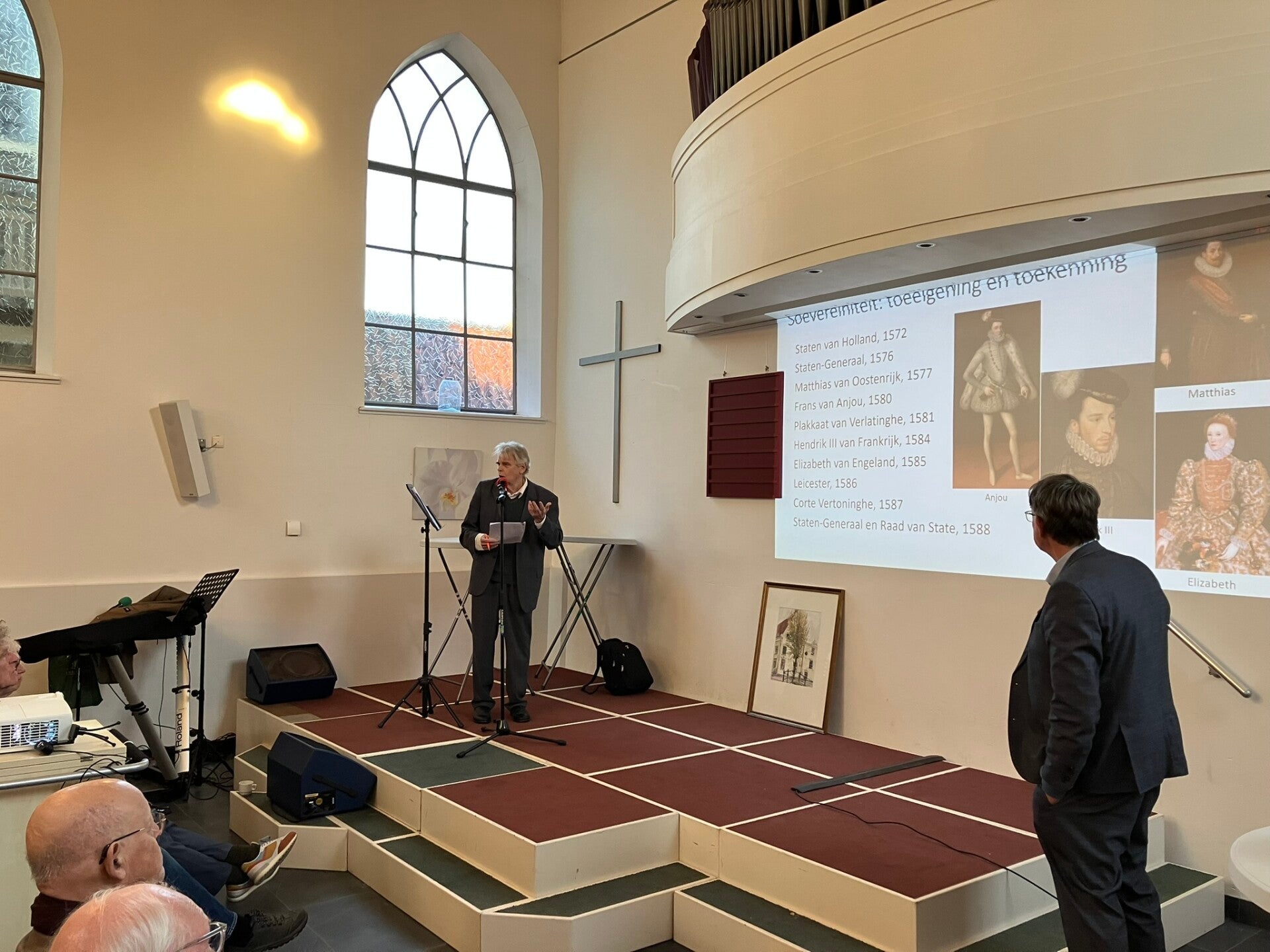
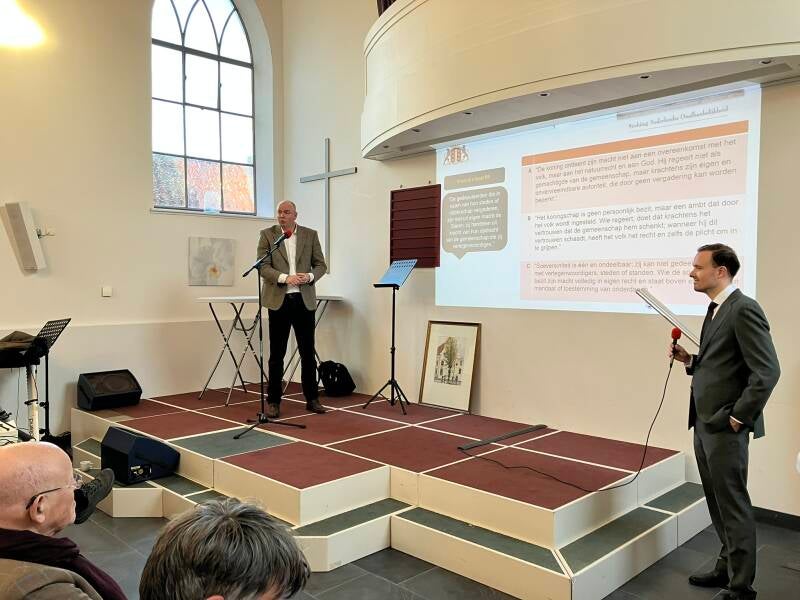
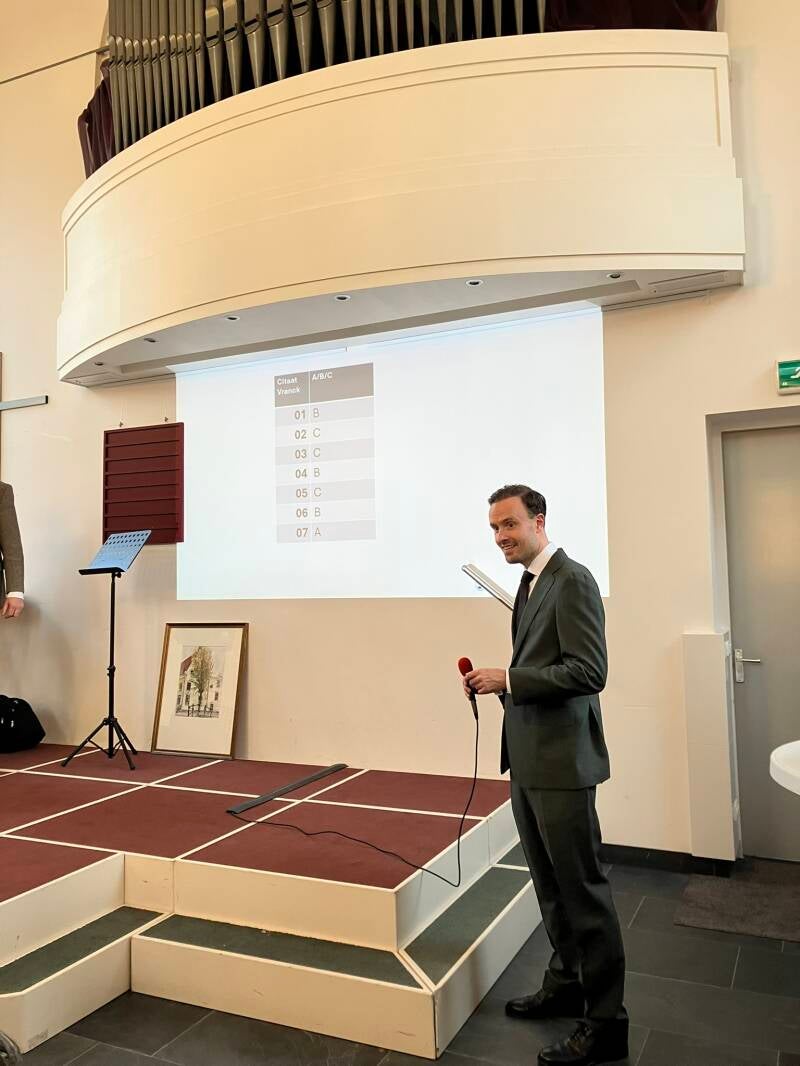
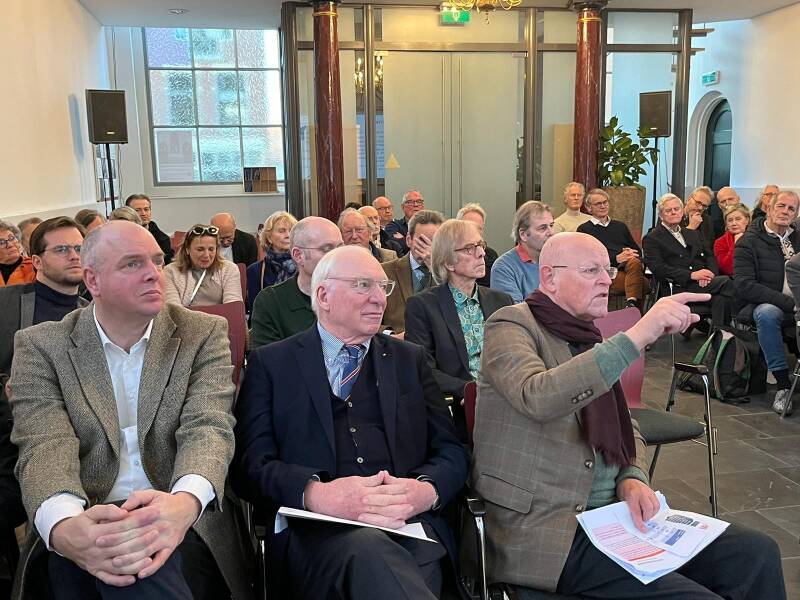
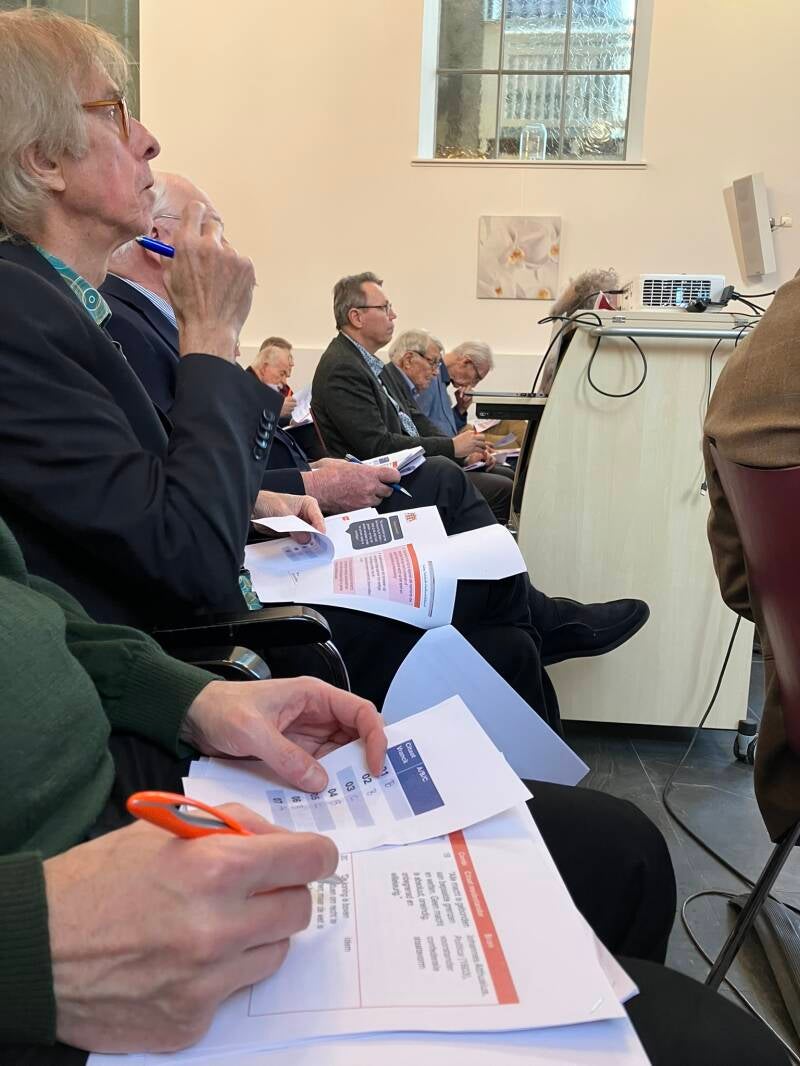
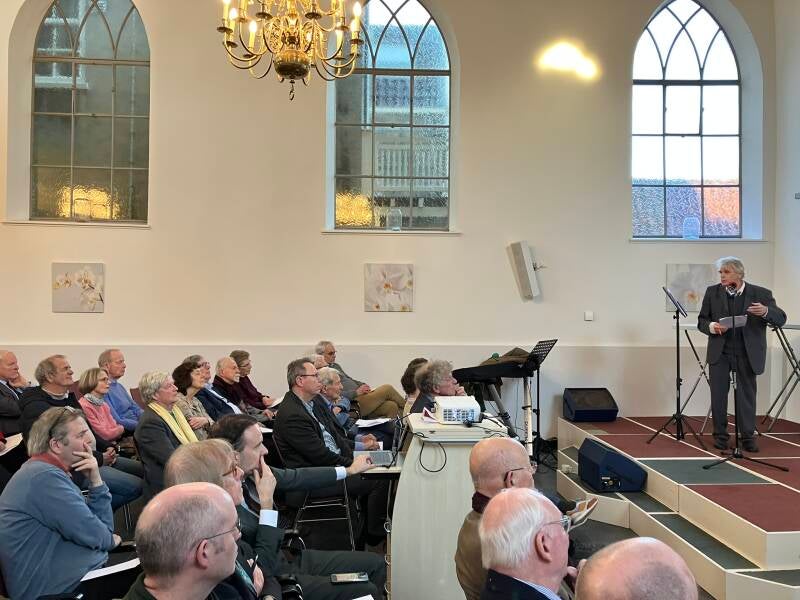
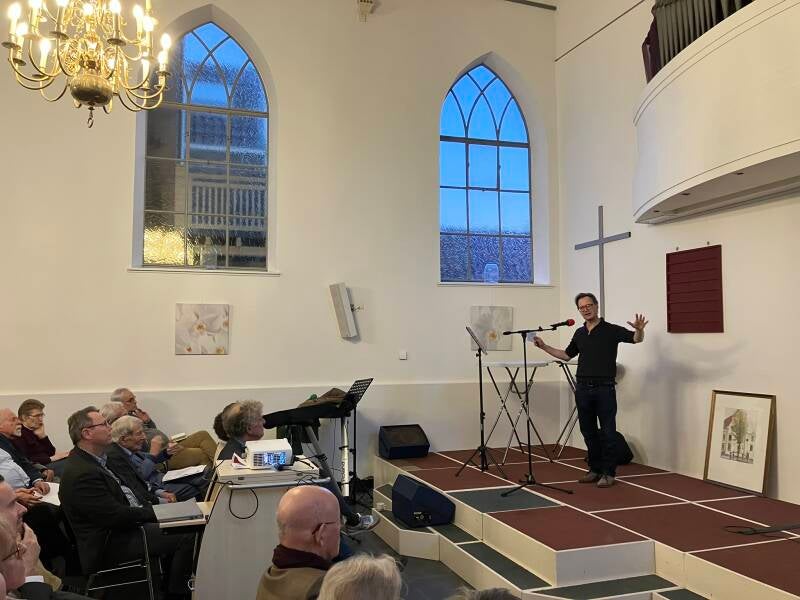
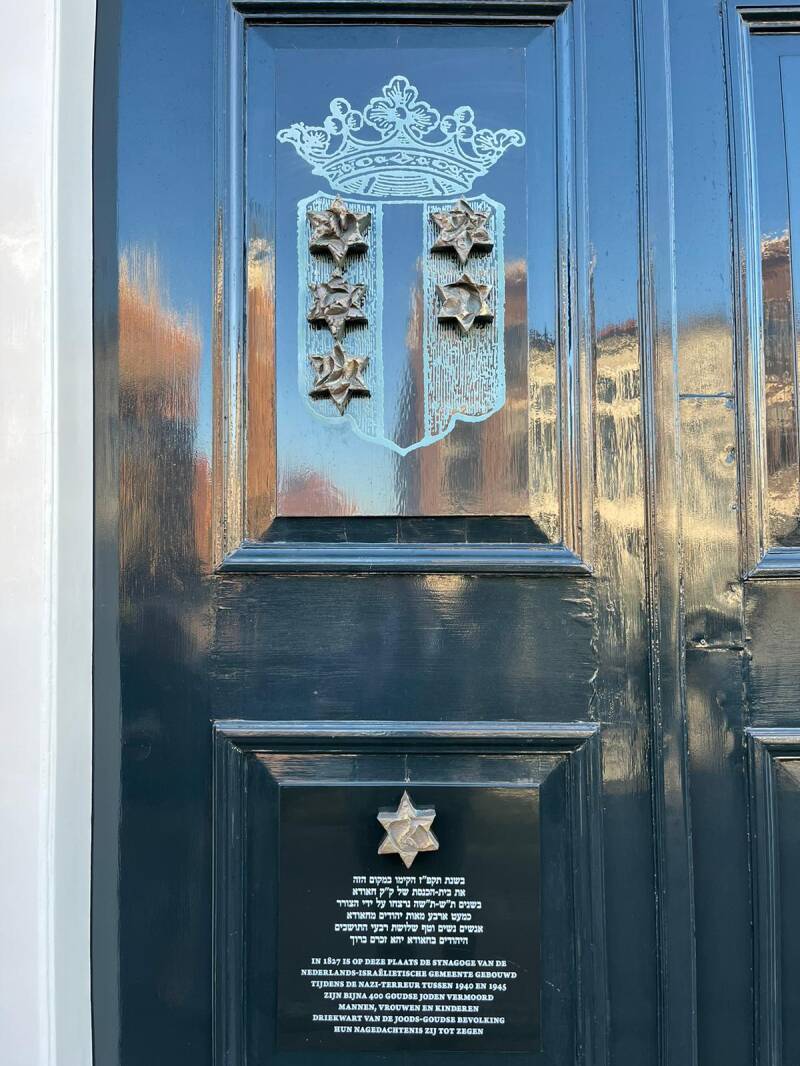
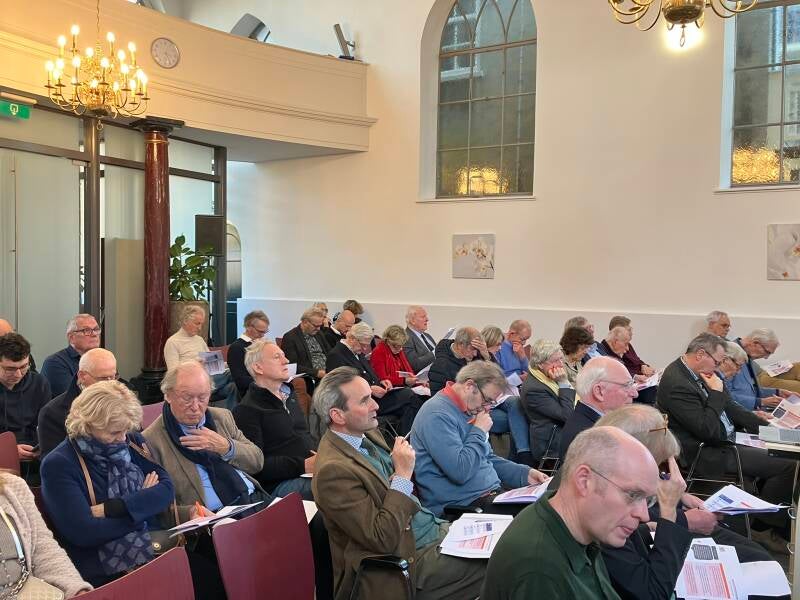
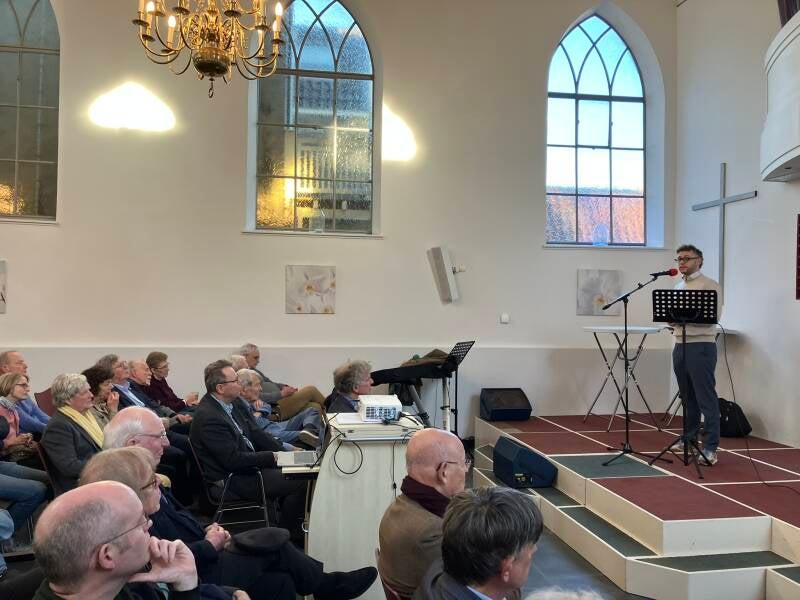
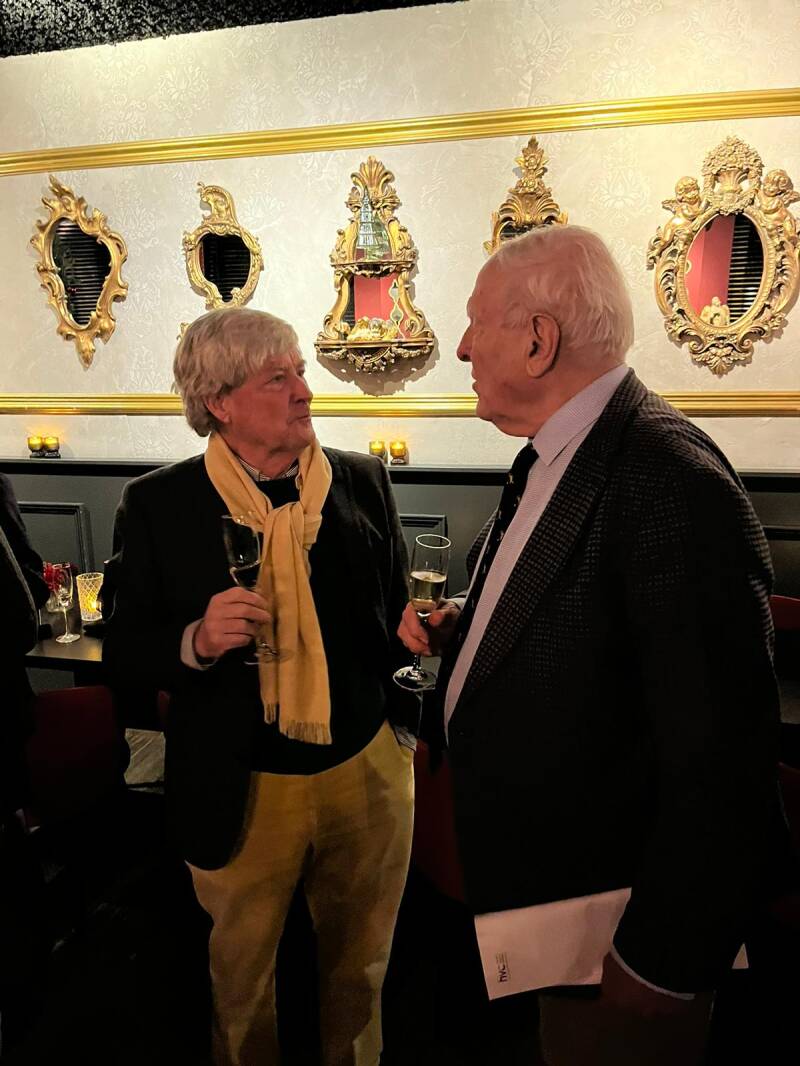
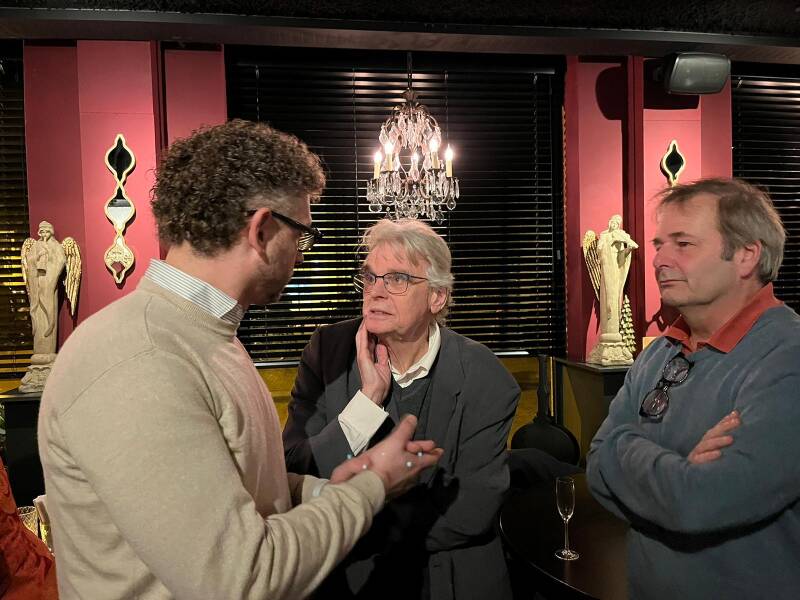
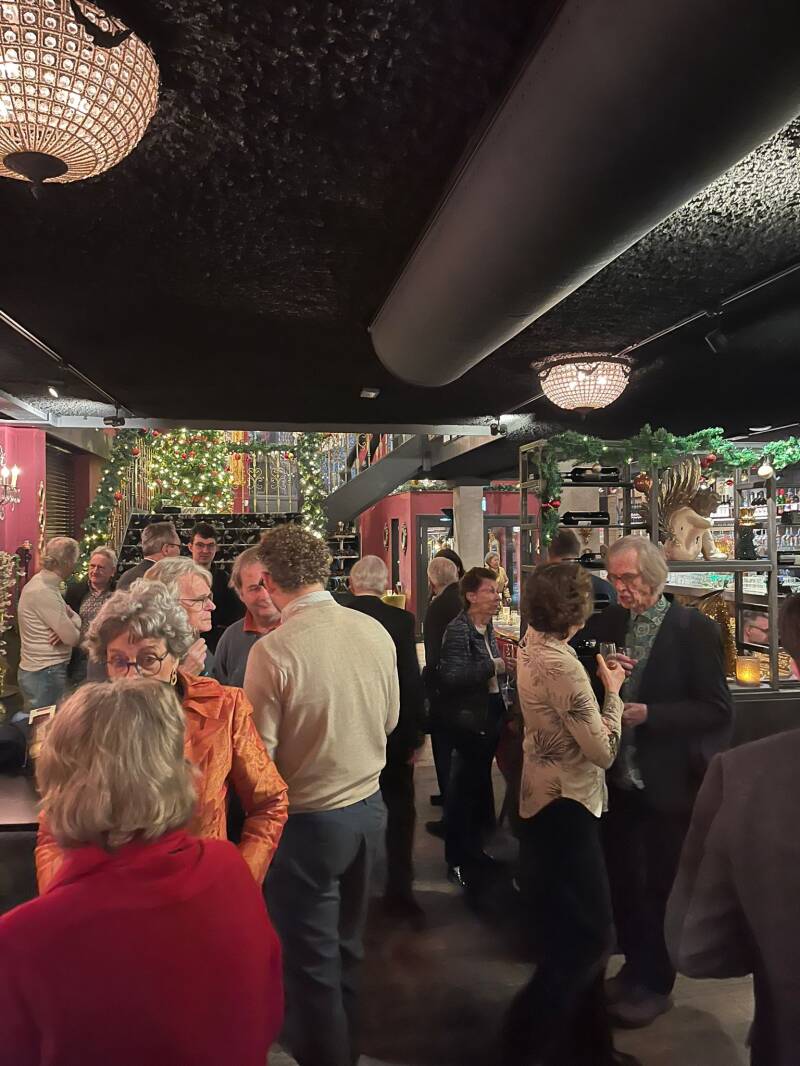
Our foundation looks back with great pleasure on the meeting about Vranck's Deduction in the Former Synagogue in Gouda. In a packed hall, we started with an interactive session led by our board members (and history teachers) Daan Schuijt and Mathieu Peulen. Using quotes from Vranck and his contemporaries, they encouraged visitors to reflect on the debate at the time (around 1600) about the place of sovereignty. Does it lie with the people or the monarch?
Vranck experts Paul Abels and Jan Dirk Snel made it clear that the Deduction (or Corte Vertoninghe) of 1587 was first and foremost a description of the power of the cities (councils) and nobles in the county of Holland, who met together in the States of Holland. You could see it as an aristocratic (or oligarchic) constitution, a legal text that described the balance of power as if there had been no uprising: for 800 years, Vranck argued, true sovereignty had not lain with the counts of Holland but with the States. In short, the ‘abandonment’ of Philip II in 1581 and the lack of a suitable replacement made it possible for the States Assembly to claim sovereignty. The following year, this would become the basis for the decision to establish the Republic of the United Netherlands, with a government consisting of the Council of State and the States General as the supreme power.

After that, Ronald van Raak, professor of philosophy, former politician, and member of our Advisory Board, brilliantly linked this history to modern democracy. From Erasmus and Johannes Goropius Becanus, via Vranck, Oldenbarnevelt, and Johan de Witt, to modern times: the Dutch are always searching for true freedom. The throne is empty and must remain vacant. If necessary, with a firm hand, if anyone dares to sit on the throne. Van Raak himself once put his words into action by immediately changing the mind of a mischievous VVD member of parliament who wanted to take a selfie on the throne of William III, which stood symbolically in the old House of Representatives building. On his initiative, former chairman Martin Bosma ensured that the throne can now also be seen in the temporary House of Representatives building: as a reminder of the necessity of the eternally vacant throne—at the time in republicanism, nowadays in a mature democracy. From the Grand Pensionary of yesteryear to Prime Minister Dick Schoof today: the head of government is a civil servant, certainly not a monarch. As a child of the former province of Brabant (once the only real ‘home’ for Erasmus!), Van Raak knows better than anyone that ‘true freedom’ is precious.

All that remains is for us to wish you happy holidays and an independent 2026!
If you would like to make a Hanukkah, Solstice, or Christmas donation to our foundation (ANBI), you can easily do so via our brand-new donation page. Every contribution is greatly appreciated.
The board of the Dutch Independence Foundation
Rein Breeman, Herman Nieuwenhuis, Daan Schuijt, Jip Stam, Mathieu Peulen & Geerten Waling
Click on the pictures to enlarge